Nestled in the northernmost region of India, Leh Ladakh is a paradise for adventure seekers, nature lovers, and spiritual wanderers. From its awe-inspiring landscapes dotted with snow-capped peaks and azure lakes to its ancient monasteries whispering tales of serenity, Leh Ladakh is a destination like no other. Traverse the thrilling curves of the Khardung La Pass, marvel at the otherworldly beauty of Pangong Lake, or lose yourself in the tranquility of Thiksey Monastery—every moment here is a memory waiting to be made.
Explore the vibrant local culture, indulge in traditional Ladakhi cuisine, and experience the warm hospitality of its people. Whether you’re riding a bike along rugged terrains, stargazing under a pristine sky, or soaking in the spiritual aura of the Hemis Festival, Leh Ladakh promises an adventure of a lifetime. This dream destination is more than just a trip—it’s an expedition into the heart of nature’s raw beauty.
Leh Ladakh: Where Adventure Meets Serenity”
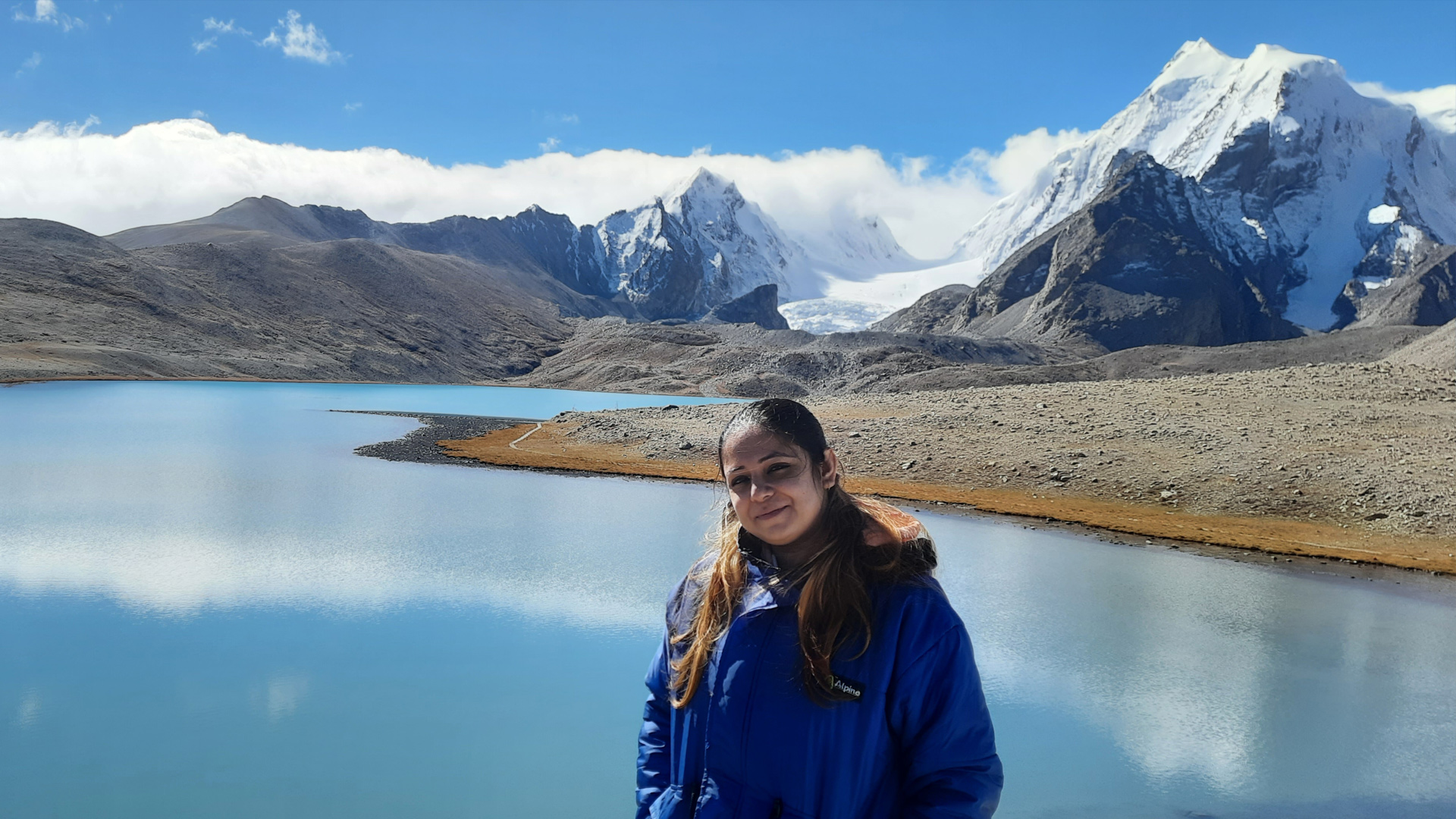
Leh Ladakh, often referred to as the Land of High Passes, is a traveler’s dream, combining breathtaking beauty with an aura of mysticism. The dramatic landscapes, from rugged mountains to sparkling rivers, create a visual symphony that captivates the soul. Magnetic Hill, the surreal Nubra Valley, and the vibrant hues of Pangong Tso Lake are just a few of the region’s wonders. Whether you’re riding through the world’s highest motorable road or walking through the centuries-old monasteries, Leh Ladakh offers experiences that transcend the ordinary.
Beyond its landscapes, Leh Ladakh’s culture is equally mesmerizing. Engage with the locals, learn about their unique traditions, and savor authentic Ladakhi delicacies like thukpa and momos. Participate in festivals such as Hemis Tsechu, a vibrant showcase of spirituality and art. For adventure enthusiasts, activities like trekking, river rafting, and mountain biking add adrenaline to the journey. Leh Ladakh isn’t just a destination—it’s a place where you rediscover yourself amidst the wonders of nature and culture.



Sorry, the comment form is closed at this time.